Sojiwan Temple Tourism: Perhaps not many people have heard of it, especially when asked where it is located. Indeed, Sojiwan Temple is not as well-known as Prambanan Temple, let alone Borobudur Temple. It's actually not far from Prambanan Temple, taking perhaps half an hour on foot. Recently restored in 2011, this temple is relatively new compared to the other temples. What's most striking about this temple is its similar shape to Prambanan: tall with a pyramid-like structure on top, but the upper part of the temple consists of stupas similar to those at Borobudur. It could be said that this temple is like a "marriage" between Prambanan and Borobudur. This temple is situated within a fairly extensive complex with beautiful, well-maintained gardens. It turns out that this complex was only inaugurated after being restored in December 2011 by the Minister of Education and Culture, Mohammad Nuh. Initially, this temple was only a half-finished structure that looked like a ...
Umbul Nilo is another spring in Klaten besides Umbol Ponggok. The attraction of this location is its pool located in the middle of a rice field. The name Nilo is taken from the Nilo tree that used to grow abundantly here. The water in this pool comes from the cool and clear Cokro spring. Therefore, this spring does not use chlorine to purify the water.
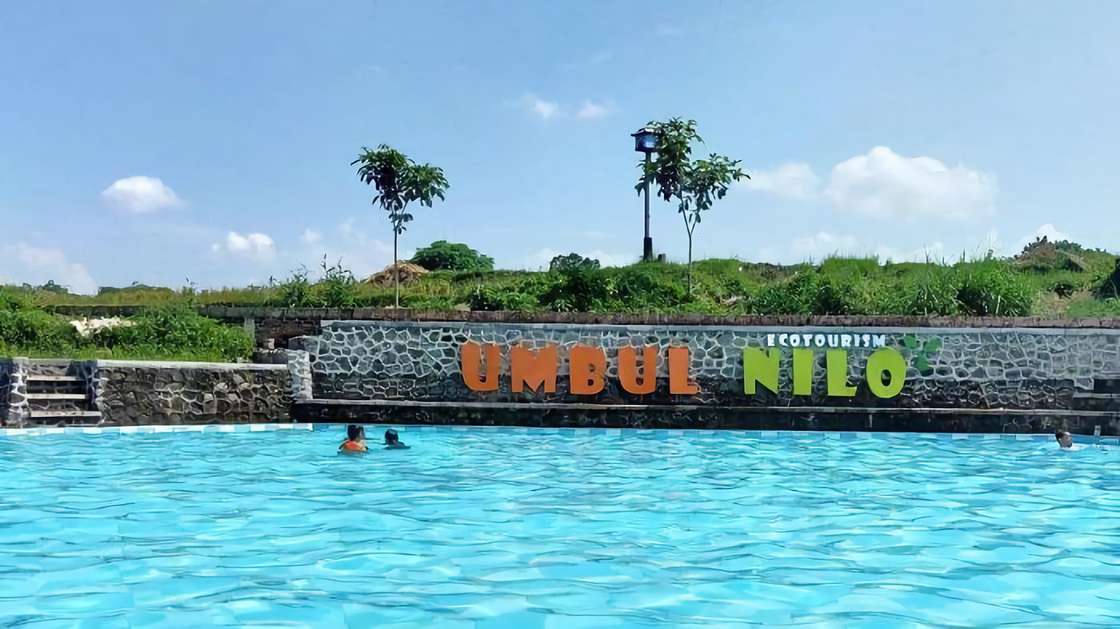
There are two types of pools here: the main pool and the children's pool. The base of the main pool is lined with natural stones. The children's pool, which is relatively new, has a ceramic base.
Because the water is so clear, the bottom of the pool is clearly visible. In addition to the rice fields, around this spring are Ipik trees, which resemble banyan trees. These springs also serve as irrigation for the surrounding rice fields.
Umbul Nilo Entrance Fee
To enter the Umbul Nilo area, tourists must pay an entrance fee. The price is relatively affordable. However, this ticket price does not include parking and life jacket rental. Because of its low price, it's no wonder this pool is often crowded with visitors.
Entrance Fee
- Weekdays and Holidays: IDR 6,000/IDR 8,000
- Facility Fee
- Car Parking: IDR 5,000
- Motorcycle Parking: IDR 3,000
- Rubber Rental: IDR 5,000
Umbul Nilo Opening Hours
Umbul Nilo is open 24 hours a day. For a comfortable swim, it's best to visit on a sunny day. You'll also be able to clearly see the expanse of rice paddies and the blue sky.
Swimming in the Umbul Nilo Spring Pool
One of the attractions of this place is its crystal-clear pool. Because the water comes from a pure spring, chlorine is not needed to maintain its quality. The pools are divided into two types: the main pool and a recently built children's pool.
The main pool has a natural feel and is closer to the rice paddies. The children's pool has a more modern feel. Furthermore, the depths of the two pools also vary.

The main pool is 1.5 meters deep, while the children's pool is less than 1 meter deep. The water is so clear that many tourists take photos while diving, and the resulting photos are incredibly clear.
The rocks at the bottom of the pool make it seem like you're underwater. Not only diving, but for those who can't swim, there's also a place to rent life jackets. The pool is usually drained every two days to maintain its cleanliness.
Panorama of Rice Fields
Besides swimming, this location is also a great place to enjoy the views of the rice fields. During planting season, the rice fields look green and lush. During harvest season, the sight of yellowing rice paddies is a sight to behold. Visitors can also stroll along the rice paddy bunds.
This spot is perfect for those seeking a calming, natural atmosphere. Not far from the pool, there's a shady Ipik tree. Beneath this tree, there's a comfortable place to sit and gaze out at the expanse of rice fields. Furthermore, visitors can observe the activities of farmers working in the fields.
Taking Photos at the Umbul Nilo Area
There are several photo spots here. One is on the large rocks near the pond and rice fields. A photo opportunity here is one where you sit on the rocks while overlooking the rice fields. The next area is on the rice field embankment. While standing there, visitors can pose as if they are walking.
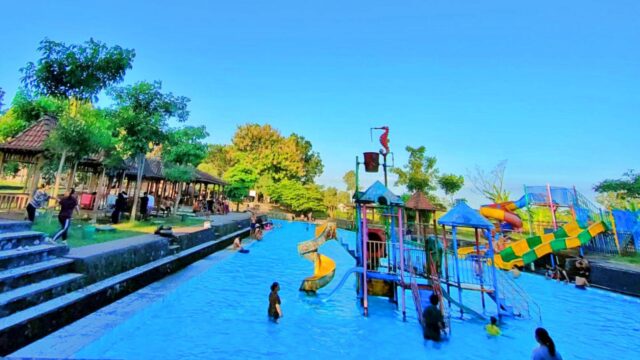
Furthermore, several areas of the pond also make interesting photo spots. These include the inside of the pond and the edge of the pond. While sitting on the edge of the pond, take photos with the rice fields in the background. Additionally, some areas, such as under the trees, also make for unique photo spots.
Sunset View
The advantage of this tourist spot is its unlimited operating hours. Umbul Nilo is open 24 hours a day, allowing visitors to witness the beautiful sunrise from here. Furthermore, the sunset views are equally beautiful.
Facilities
Umbul Nilo has quite complete public facilities, such as restrooms, showers, and changing rooms. There's also parking, a prayer room, inflatable ring rentals, and several food stalls. Furthermore, there's a spacious gazebo for shade. There are also several attractive photo spots.
Umbul Nilo Location
Umbul Nilo is located in Margosuka Hamlet, Daleman Village, Tulung District, Klaten Regency, Central Java. Starting from the Klaten town square, the city center, the distance is 18 km away. You can get here by motorcycle or car. Besides Klaten, visitors can also depart from Boyolali and take the Boyolali-Semarang highway. From here, take Jalan Wonosari and Jalan Randusari to Klaten.
Comments