
The Beauty of Sojiwan Temple Tourism and Its History

Sojiwan Temple Tourism: Perhaps not many people have heard of it, especially when asked where it is located. Indeed, Sojiwan Temple is not as well-known as Prambanan Temple, let alone Borobudur Temple. It's actually not far from Prambanan Temple, taking perhaps half an hour on foot. Recently restored in 2011, this temple is relatively new compared to the other temples. What's most striking about this temple is its similar shape to Prambanan: tall with a pyramid-like structure on top, but the upper part of the temple consists of stupas similar to those at Borobudur. It could be said that this temple is like a "marriage" between Prambanan and Borobudur. This temple is situated within a fairly extensive complex with beautiful, well-maintained gardens. It turns out that this complex was only inaugurated after being restored in December 2011 by the Minister of Education and Culture, Mohammad Nuh. Initially, this temple was only a half-finished structure that looked like a ...

Savory Kepel Khas Klaten, a Legendary Snack that Still Exists

Of the many takjil culinary delights that circulate during Ramadan, Kepel is one of the most popular among Klaten people. This flour-based preparation with a mixture of spices sells well when it's time to break the fast.
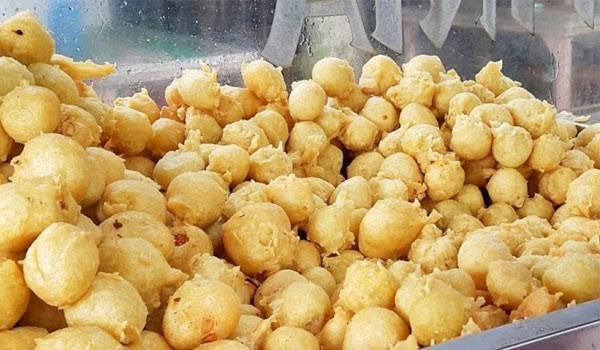
Kepel

If interpreted in terms of language, kepel or kepelan means grip, this is because the process of making kepel is clenched in the palm of your hand. This snack is very easy to find throughout Klaten Regency.
But launching from the Central Java Provincial Government page, the original maker came from residents of Keden Village, Pedan District, Klaten. It is known that this legendary snack has been around since the 1970s.

Ingredients for Making Kepel


Kepel is made from wheat flour, which is added with onions, salt, water and then kneaded and fried. This simple food has a savory and crunchy taste that is loved by many people.

In the past, kepel makers used to mix cow offal, such as tripe, but this is no longer done. Generally, kepel snacks are favored by children because they are sold in elementary school areas.

Reporting from the same source, the Head of Keden Village hopes that the younger generation can make modifications to the kepel food so that it can be more widely accepted by the community. 

Comments

Trending Topics

Umbul Nilo Daleman Tulung Tourism, a Paradise of Clear Water in Klaten

Umbul Nilo is another spring in Klaten besides Umbol Ponggok. The attraction of this location is its pool located in the middle of a rice field. The name Nilo is taken from the Nilo tree that used to grow abundantly here. The water in this pool comes from the cool and clear Cokro spring. Therefore, this spring does not use chlorine to purify the water. There are two types of pools here: the main pool and the children's pool. The base of the main pool is lined with natural stones. The children's pool, which is relatively new, has a ceramic base. Because the water is so clear, the bottom of the pool is clearly visible. In addition to the rice fields, around this spring are Ipik trees, which resemble banyan trees. These springs also serve as irrigation for the surrounding rice fields. Umbul Nilo Entrance Fee To enter the Umbul Nilo area, tourists must pay an entrance fee. The price is relatively affordable. However, this ticket price does not include parking and life jacket rental...

Getting to Know Padusan, a Unique Tradition of Javanese People Welcoming Ramadan

The tradition of Padusan before Ramadan is an ancestral heritage that is still carried out by the Javanese community. Padusan was practiced by the community before Islam entered Java. During the Majapahit Kingdom, knights, poets, brahmins and masters often performed padusan to purify themselves. The tradition has survived until now, thanks to the role of Wali Songo who preached with a cultural approach. In general, the meaning of padusan is a bathing tradition that is usually carried out before Ramadan by Javanese people. However, to understand further what is padusan and how to read the padusan intention and the procedure for doing it? What is Padusan? According to Retno Widyastutik's research in the publication of Surakarta State University (UNS), padusan comes from the word adus which means bathing. The padusan tradition is carried out the day before Ramadan, precisely from noon to evening. When carrying out the padusan tradition, Javanese people will generally bathe or soak in ...

Umbul Kroman, a Hidden Paradise in Mranggen Village, Klaten

When talking about water tourism in Klaten, Central Java, the immediate image of a row of popular springs always crowded with visitors is likely to come to mind. However, amidst the hustle and bustle of these massively managed tourist destinations, lies a small, pristine spring: Umbul Kroman. Located in Mranggen Village, Jatinom District, Klaten Regency, Umbul Kroman offers a unique experience. Far from ticket booths, commercial stalls, and the throngs of tourists, this spring offers a tranquil oasis for those who manage to find it. To reach it, visitors must venture into the village's residential area. The main attraction of Umbul Kroman is its pristine beauty. The natural rocky bottom and lively swimming of small fish are visible to the naked eye. On one side of the pool, a spring constantly gushes fresh water from the earth, testifying to the purity of the water source here. The beauty doesn't stop at the pool. Right next to the spring, a small river flows with equally clear...